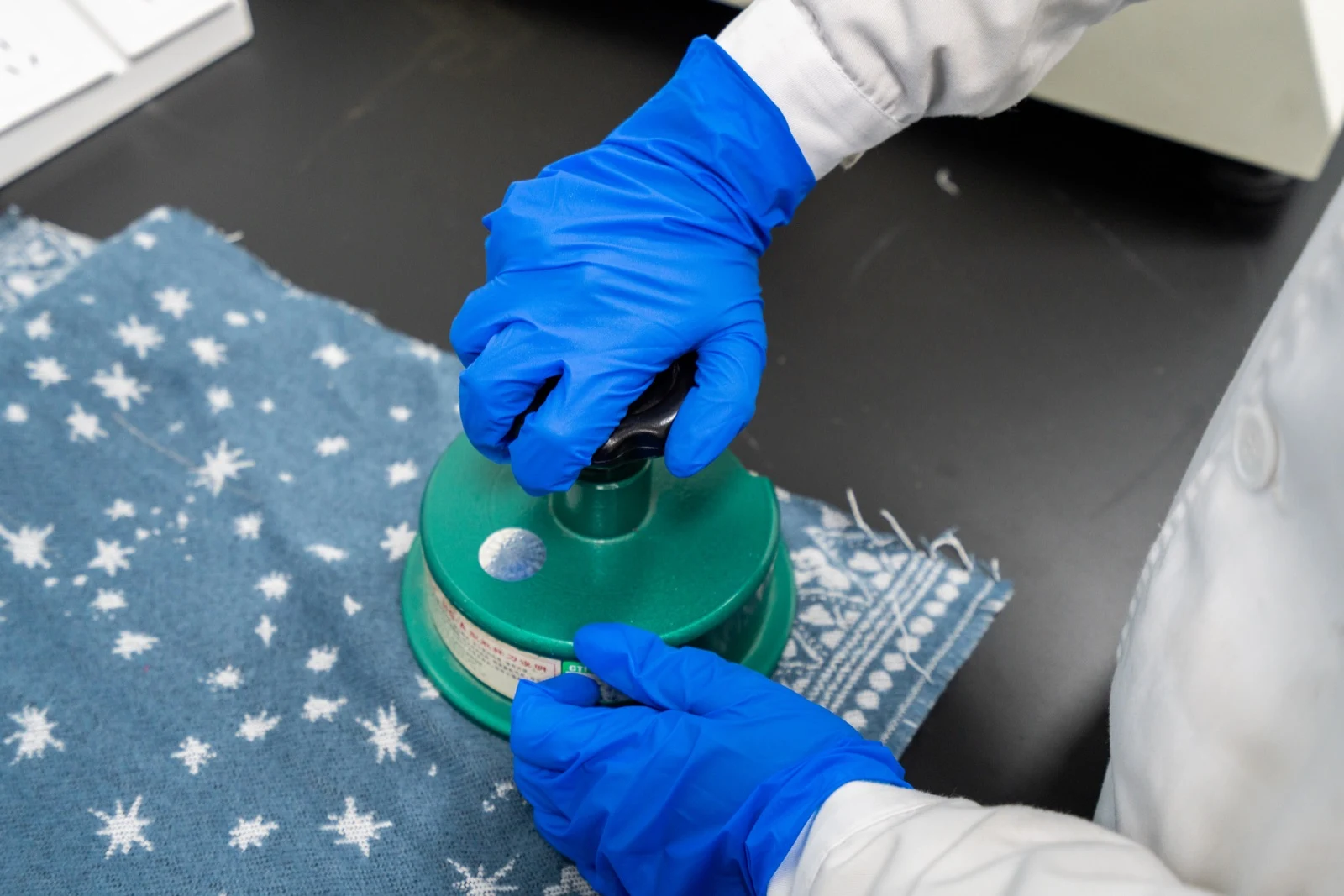
US compliance testing requirements and cost per style for importing silk and cotton garments from China.
Importing clothing from China to sell in the US is a highly profitable venture, but it requires strict adherence to federal safety and labeling regulations. For cross-border e-commerce sellers, brands, and retailers, a common question arises: “We’re importing clothing from China to sell in the US. What tests should we arrange for our garments, and what information does the lab need to work out a testing plan?”
When dealing with natural fibers like silk and cotton, the regulatory landscape is specific. Whether you are selling on Amazon, Shopify, or in physical retail stores, failing to provide a General Certificate of Conformity (GCC) or Children’s Product Certificate (CPC) can result in listing removals, customs seizures, or costly recalls.
As a CPSC-accepted laboratory (Lab ID: 1662) based in Yiwu, China, CRT Lab helps global brands navigate these requirements. Here is a comprehensive guide to US testing requirements for silk and cotton garments, the information needed to build a testing plan, and a breakdown of the cost per style.
Mandatory US Testing Requirements for Silk and Cotton Garments
The tests required for your garments depend heavily on the target audience (adults vs. children) and the specific design of the clothing.
1. Flammability of Clothing Textiles (16 CFR Part 1610)
The US Consumer Product Safety Commission (CPSC) strictly regulates the flammability of wearing apparel. However, there are specific exemptions that importers of silk and cotton should know:
- Exemptions by Weight: Plain surface fabrics (like standard cotton or silk) that weigh 2.6 ounces per square yard or more are exempt from flammability testing.
- Non-Exemptions: If your cotton or silk garments weigh less than 2.6 oz/sq yd (such as sheer silk blouses or lightweight cotton summer dresses), or if they have a raised surface (like cotton terry cloth or corduroy), they must undergo flammability testing.
2. Children’s Apparel Requirements (CPSIA)
If your silk or cotton garments are intended for children aged 12 and under, they must comply with the Consumer Product Safety Improvement Act (CPSIA), which includes:
- Total Lead Content: All accessible component parts (metal buttons, zippers, snaps) must not exceed 100 ppm of lead.
- Lead in Surface Coatings: Screen prints, painted buttons, or painted zippers must not exceed 90 ppm of lead.
- Phthalates: Plasticized components (like plastisol prints, vinyl patches, or plastic zippers) on children’s clothing must be tested for restricted phthalates.
- Small Parts (16 CFR 1501): Garments for children under 3 years old must undergo tension and torque testing to ensure buttons and snaps do not detach and pose a choking hazard.
- Children’s Sleepwear (16 CFR 1615 & 1616): Sleepwear faces incredibly strict flammability standards. Standard untreated cotton and silk generally fail these tests unless they are tight-fitting.
3. FTC Labeling Requirements
The Federal Trade Commission (FTC) requires all apparel sold in the US to have accurate labeling. A lab can perform a label review to ensure compliance with:
- Fiber Content: (e.g., 100% Cotton, 80% Cotton / 20% Silk).
- Care Instructions: Accurate washing and drying instructions.
- Country of Origin: (e.g., Made in China).
- Manufacturer Identity: RN number or brand name.
What Information Does the Lab Need to Work Out a Testing Plan?
To avoid over-testing and keep your compliance costs as low as possible, CRT Lab requires specific details about your product to create an accurate, customized testing plan. When requesting a quote, please provide:
- Target Age Group: Is the garment for adults or children (and what specific age range)? This is the most critical factor in determining whether CPSIA rules apply.
- Fabric Composition and Weight: State the exact fiber blend (e.g., 100% Silk) and the fabric weight (e.g., 3.0 oz/sq yd). This helps us determine if your fabric is exempt from flammability testing.
- Bill of Materials (BOM): A complete list of all materials used in the garment, including the base fabric, sewing threads, buttons, zippers, drawstrings, and labels.
- Product Photos or Tech Packs: Visuals help our engineers identify potential hazards, such as small parts or drawstrings on children’s upper outerwear (which are restricted).
- Color Variations: If you are producing the same style in multiple colors, we need to know, as different dyes or screen prints may require separate lead or phthalate testing.
How Much Does US Apparel Compliance Testing Cost Per Style?
At CRT Lab, our core value proposition is simple: Pay the LEAST cost, Ensure products safety! We leverage our ISO/IEC 17025:2017 accredited facility in Yiwu to deliver over 30% cost reduction compared to traditional testing giants, without compromising on global recognition.
While exact costs depend on the BOM, here is a general estimate of testing costs per style for US compliance:
- Adult Basic Garment (e.g., 100% Cotton T-Shirt): If the fabric is over 2.6 oz/sq yd, it is exempt from flammability testing. Your only requirement might be a label review. Estimated Cost: $50 – $100.
- Adult Lightweight Garment (e.g., Sheer Silk Blouse): Requires 16 CFR 1610 flammability testing and label review. Estimated Cost: $100 – $150.
- Children’s Basic Garment (e.g., Cotton Pants with Elastic Waist): Requires flammability (if not exempt), tracking label review, and CPSIA lead testing on the fabric (if not exempt) and any plastic/metal aglets. Estimated Cost: $150 – $250.
- Children’s Complex Garment (e.g., Cotton Jacket with Metal Zippers, Snaps, and Screen Prints): Requires flammability, lead testing on multiple trims, phthalate testing on the print, and small parts use-and-abuse testing. Estimated Cost: $250 – $450+ depending on the number of trims.
Note: Grouping similar materials (component testing) across different styles can further reduce your overall testing costs.
Why Choose CRT Lab for Your Apparel Testing?
Navigating US textile regulations doesn’t have to drain your profit margins. By partnering with CRT Lab, you gain direct access to an accredited testing facility located right at the heart of China’s manufacturing and export hub.
- Global Recognition: As a CPSC-accepted lab with CNAS and CMA qualifications, our test reports are recognized by US Customs, Amazon, Shopify, and major retailers.
- Cost-Effective: We eliminate the middleman, offering direct-to-lab pricing that saves cross-border merchants over 30% on compliance costs.
- Efficiency: We understand the fast-paced nature of e-commerce. Our team provides rapid turnaround times (typically 3-5 working days) so you never miss a product launch or restock window.
Ready to ensure your silk and cotton garments are US-compliant? Contact CRT Lab today with your product details, and our technical team will provide a customized, cost-saving testing plan within 24 hours.
Tags: Apparel Testing, US Compliance, CPSIA, Textile Testing, Importing from China